
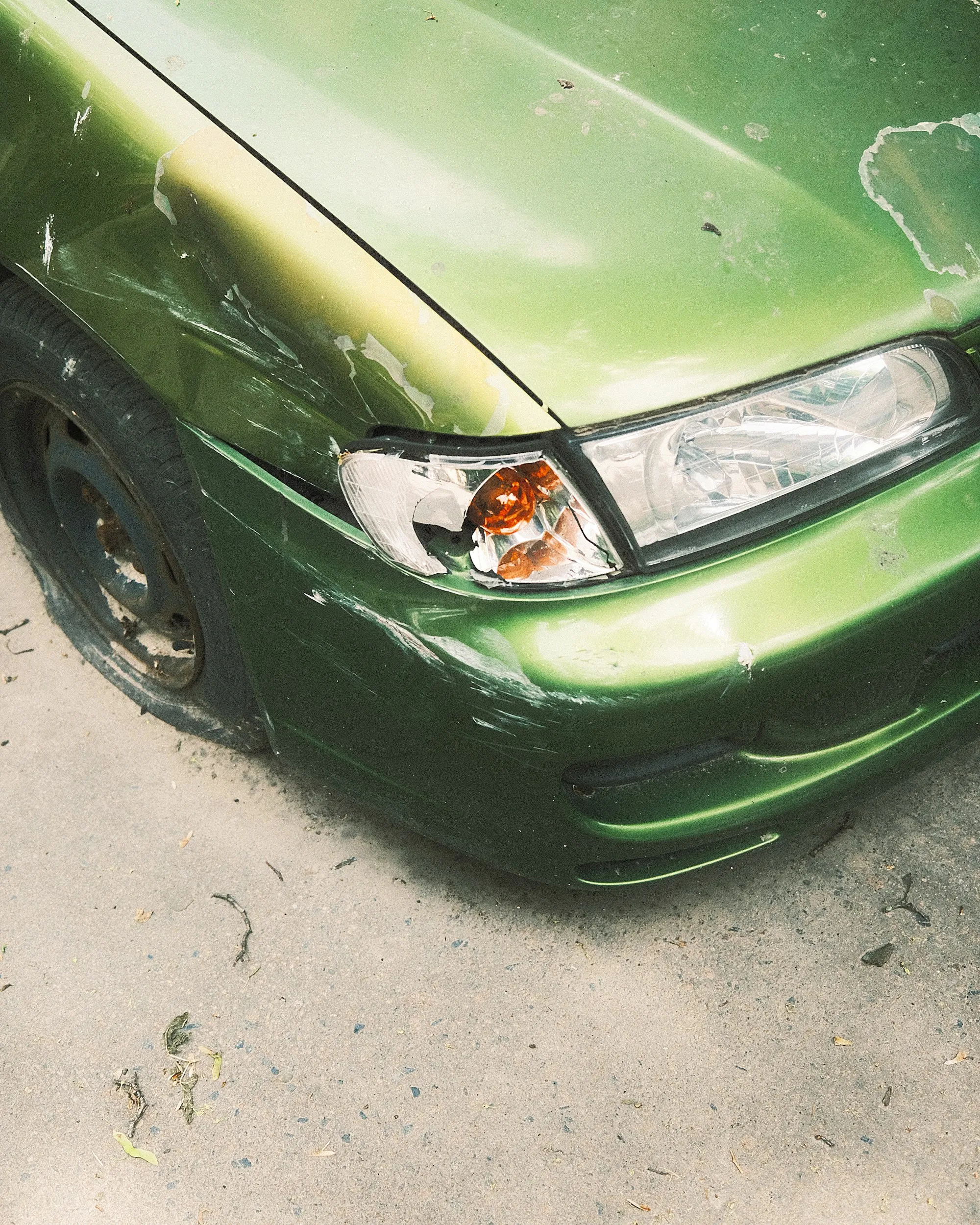
Plastic Is Harder to Match Than You'd Think
A bumper repair can be the most noticeable fix on a car if it's done poorly. Plastic covers flex, so paint has to be mixed with the right additive or it cracks later, and color on plastic often reads slightly differently than on the steel fender beside it. Behind the cover sit foam absorbers, a reinforcement bar, plastic brackets and, on plenty of newer vehicles, the parking sensors and radar that cruise radar and automatic braking rely on. A cover that sits a few millimeters low, or a sensor aimed wrong, gives the repair away. We look behind the cover, fix or replace what broke and fit the bumper so its edges meet the fenders and headlamps with even spacing. Then the color gets blended until the plastic and the steel look like they came off the same line.
Bumper Work, Inside and Out
These pieces decide whether a bumper looks original or looks repaired.
Nothing judged with the cover on
We remove the cover so cracked brackets and crushed absorbers aren't hidden behind a fresh coat of paint.
Repair or renew, explained
Small tears and cracks are often repairable. Badly torn or stretched covers are replaced, and we tell you which and why.
Splits joined and reinforced
Cracks are welded and backed with reinforcement on the inside, so the face can be shaped smooth without a visible seam.
Snapped tabs made solid again
Broken mounting tabs are rebuilt or renewed, keeping the cover snug without rattles or a slow sag.
Crush zones checked behind the plastic
The energy-absorbing foam and the impact beam it rides on are inspected and replaced if the impact crushed or bent them.
Flex paint for flexible plastic
Bumper paint includes a flex additive, so the finish bends with the cover instead of cracking.
Edges lined up with fenders and lamps
We adjust the cover until its gaps to the fenders, headlights and hood match the factory spacing.
Sensors and radar reaimed
Parking sensors, cameras and radar are reinstalled and calibrated as needed, so they read the world correctly.
How a Bumper Comes Back to Factory Fit
Uncover the full damage
The bumper cover comes off and we look at every bracket, absorber and sensor behind it. Damage is photographed and listed on the estimate. You hear whether the cover is worth repairing or should be replaced. For an insurance claim, those photos travel with the estimate.
Repair the hidden parts first
Brackets, tabs and absorbers are fixed or replaced before the cover gets any attention. Then the cover is welded, reshaped or swapped. It's test-fitted on the car to check gaps before painting. That way, nothing has to be forced once the paint is on.
Paint, fit, calibrate
The cover is painted with flex-additive color and blended into neighboring panels where needed. Once mounted, it's adjusted against the fenders and lights. Every sensor and radar unit is then checked and calibrated. Then we drive the car to confirm everything reads right.
Why Our Bumpers Don't Look Like Repairs
Color tuned for plastic
Plastic and steel take paint differently. We adjust and blend so your bumper matches the fender beside it in any light.
Sensors that read true
Parking aids, cameras and cruise radar are calibrated after the repair, so the technology behind the cover works as it did before.
A straight answer on repair versus replace
Some covers are worth saving and some aren't. We tell you which, so you don't end up with a patched part that never sits right.
Bumper Scuffed, Split or Hanging Low?
Tell us what the bumper looks like and whether any warning lights came on. We'll explain what's likely behind the cover and how we'd fix it.
Get the bumper looked at — (000) 000-0000