
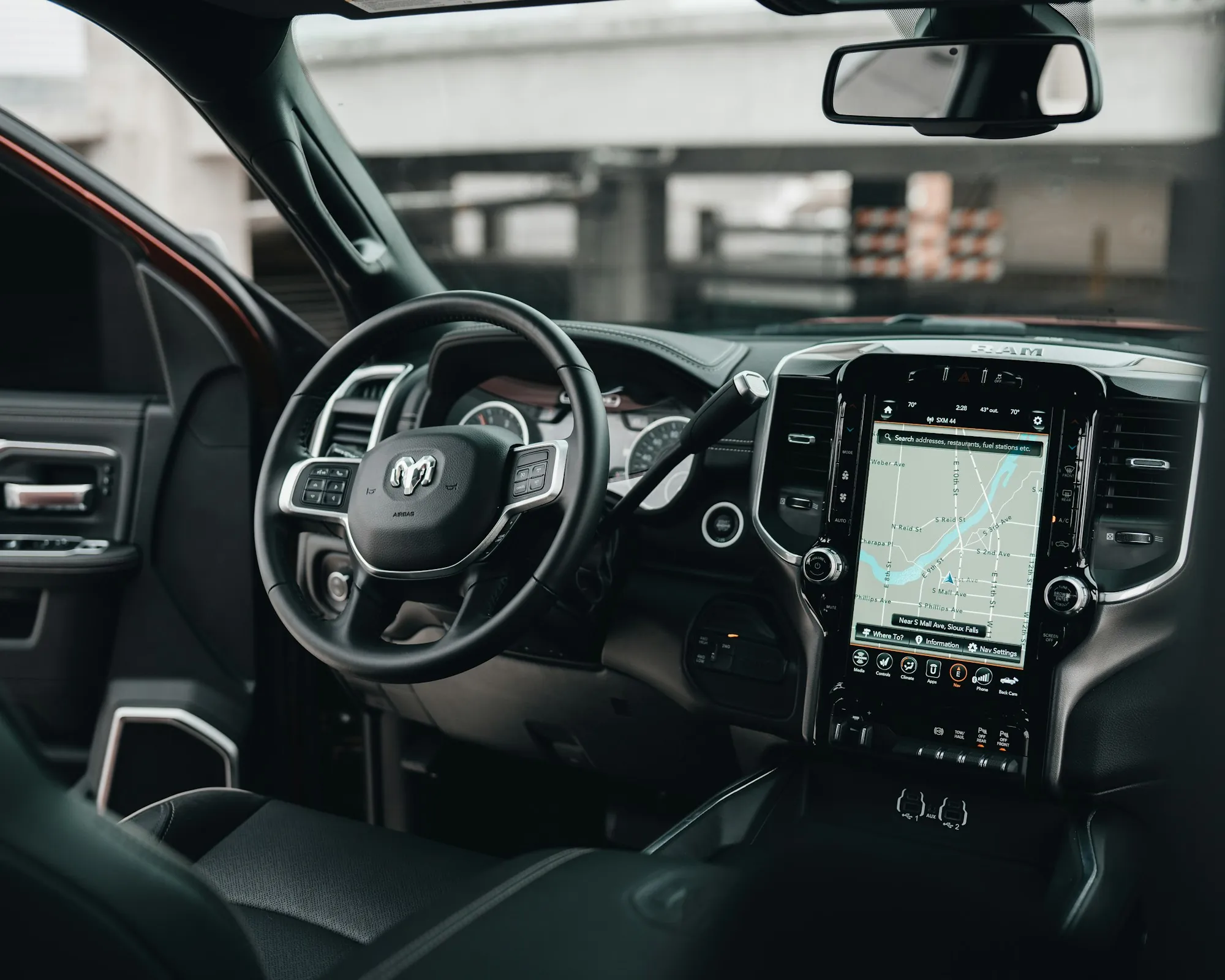
The Finish You Can't See
Most of the craft in a collision repair is visible: the gaps, the color, the way a fender lines up with the door. Calibration is the part nobody notices when it's done right. Your lane camera sits behind the windshield, the adaptive cruise radar hides behind the grille or bumper cover, and corner sensors tuck into the rear fascia. Move any of those a few millimeters during a repair and the car can drift in its lane or brake for a shadow. So once the body is put back together, we aim each sensor against the manufacturer's targets and then prove it on the road. Plenty of Rowlett drivers commute on the President George Bush Turnpike, where lane-keep and cruise get a real workout. Those systems should behave exactly the way they did before the crash.
Sensor Work Built Into the Repair
Which of these your car needs depends on the repair and the manufacturer's procedure. We tell you which apply before we start.
Fault codes saved before teardown
A diagnostic scan records every stored code from the crash, so we know which modules were upset before a single panel comes off.
Procedures pulled for your exact build
Calibration steps vary by year, trim and option package. We look up the manufacturer's procedure every time rather than working from memory.
Windshield camera set to printed targets
The forward camera is aimed against targets placed at measured distances, so lane lines register where they really are.
Grille and bumper radar squared up
Following distance and automatic braking both rely on a radar aimed dead ahead. We set its angle so it follows traffic, not the shoulder.
Rear corner sensors verified
Blind-spot and cross-traffic sensors live in the bumper corners. After rear repairs, each one is checked and set back to spec.
Alignment confirmed before aiming
Sensors aim relative to the direction the wheels push the car. If the alignment is off, the calibration is off, so the wheels come first.
Surround-view stitching
Parking cameras in the mirrors, grille and liftgate are re-taught so the overhead view lines up without a visible seam.
Closing scan and printed results
A final scan confirms no codes remain, and you get the calibration printouts for your records and your insurer.
From Bodywork to a Car That Steers True
Read the codes, find the procedure
Before teardown, the car is scanned and the codes saved. We look up which sensors the planned repair will disturb and which procedures the manufacturer calls for. That list goes on the estimate so the adjuster sees it early. Nothing pops up as a surprise later.
Finish the body, then set the stage
Calibration only works on a fully reassembled car, so it comes after paint and fit. The floor is leveled, tires are set to pressure and the fuel and cargo loads match what the procedure expects. Then the targets go up at measured distances.
Aim, drive, confirm
Each sensor is aimed with the scan tool, and some systems need a steady drive on well-marked roads to finish learning. We handle that drive on stretches like Dalrock Road before you ever take the wheel. A closing scan and the printed results wrap it up.
Why Aiming Belongs With the Body Shop
The repair and the aim stay connected
The people who set the bumper and the windshield are the ones checking the sensors behind them. Nothing gets lost between two different shops.
We tell you what's actually needed
Not every repair disturbs a sensor. If yours doesn't need calibration, we say so and leave it alone.
Results you can hold onto
You leave with the scan reports and calibration printouts. If a question ever comes up with the insurer, the paperwork answers it.
Dash Light On Since the Repair or New Glass?
A warning light after bodywork or a windshield swap usually means a sensor wants attention. Give the shop a ring and we'll explain what the car is probably asking for.
Talk sensors with a tech — (000) 000-0000