
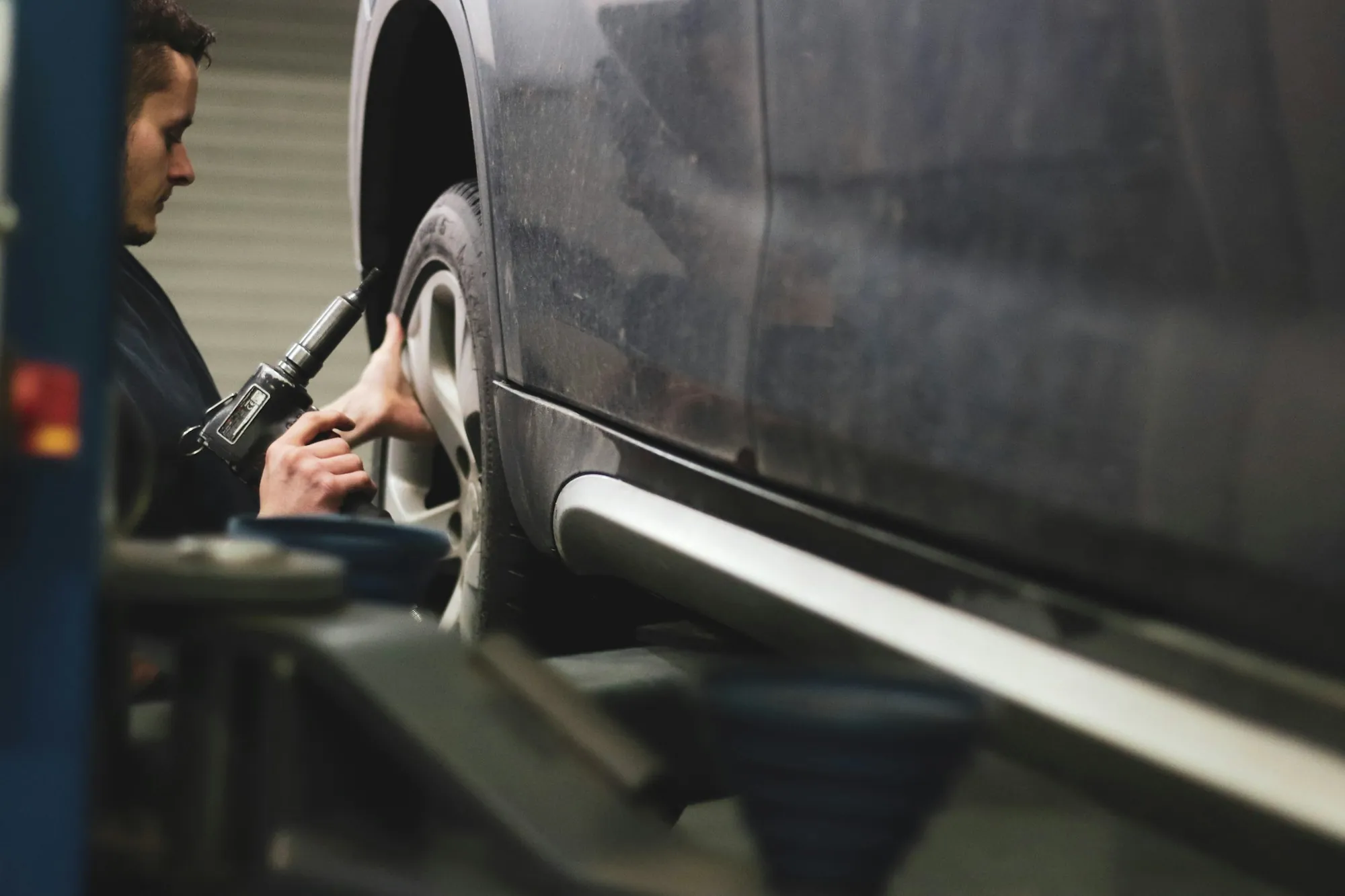
Where Sheet Metal Meets Craftsmanship
Auto body repair is work on the outer shell: doors, fenders, quarter panels, hoods, trunk lids and the rockers below them. It sounds simple. It isn't, because the eye notices a seam that's a hair wider than its twin long before it notices a scratch. Each panel gets its own verdict, worked back or swapped for new, and you hear the reasoning. When a panel is repaired, the body line is shaped by hand until a reflection runs straight across it. When it's replaced, the new part is adjusted until its gaps match the other side of the car. Customers from Sachse and Garland bring us everything from a pushed-in fender to a door that no longer closes with a quiet click.
Panel Work, Down to the Seams
These are the parts of a body job that decide whether the repair blends in or announces itself.
Creased doors reworked
Door skins with a crease or a shallow fold are pulled and shaped from inside, so the body line runs straight again.
Fenders reset at the mounts
A fender pushed back by a bump often needs its mounting points corrected before it will sit even with the hood.
Quarter panels saved where possible
Because a quarter panel is welded to the body, we repair it in place when the metal allows and section it when it doesn't.
Hoods and lids that close softly
Hinges and strikers are adjusted so the hood or trunk lid latches without a slam and sits level at all four corners.
Seams measured off the good side
We measure the spacing on the undamaged side of the car and set the repaired panels to the same numbers.
Reflections that run straight
A panel can feel smooth to the hand and still look wavy to the eye. We check it under lights until reflections run true.
Inner surfaces sealed
Bare metal inside doors and panels is primed and sealed, which matters with the damp air that rolls off Lake Ray Hubbard.
One color down the whole flank
Paint is blended so a new door and the old fender beside it read as a single color from any angle.
From First Look to Final Fit
Sight down the side
We crouch at each corner and look along the body, because that's how gaps and waves give themselves away. Damage is photographed and written into an estimate. Each panel gets a repair or replace call with the reason beside it. Your questions get answered before anything comes apart.
Shape, hang and adjust
Damaged metal is worked back to shape, or a new panel is fitted. Panels are hung and adjusted before any color goes on, so spacing is settled early. We open and close each door several times to check the feel. Small corrections here save a lot of rework later.
Refinish and reassemble
Panels go through the booth, then handles, trim and lights go back on. The finished seams are compared against the opposite side of the car. We look at the paint outdoors, where color differences are hardest to hide. Then you get a call that it's ready.
What Careful Panel Work Looks Like Here
Panels hung before color
Adjusting a panel after it's painted risks chipping its edges. We settle the fit first, so the final color goes onto a panel that's already right.
Repair when the metal allows
A carefully repaired original panel often fits better than a replacement part. We save metal when it makes sense and replace it when it doesn't.
Your eye is the last test
At pickup we stand at the car together and trace every seam we touched. If something catches your eye, we want to hear about it.
Got a Panel That Doesn't Line Up?
A door that sits proud or a fender with an uneven gap is worth a closer look. Describe the trouble and we'll lay out how we'd bring it back.
(000) 000-0000 — let's look at the fit