
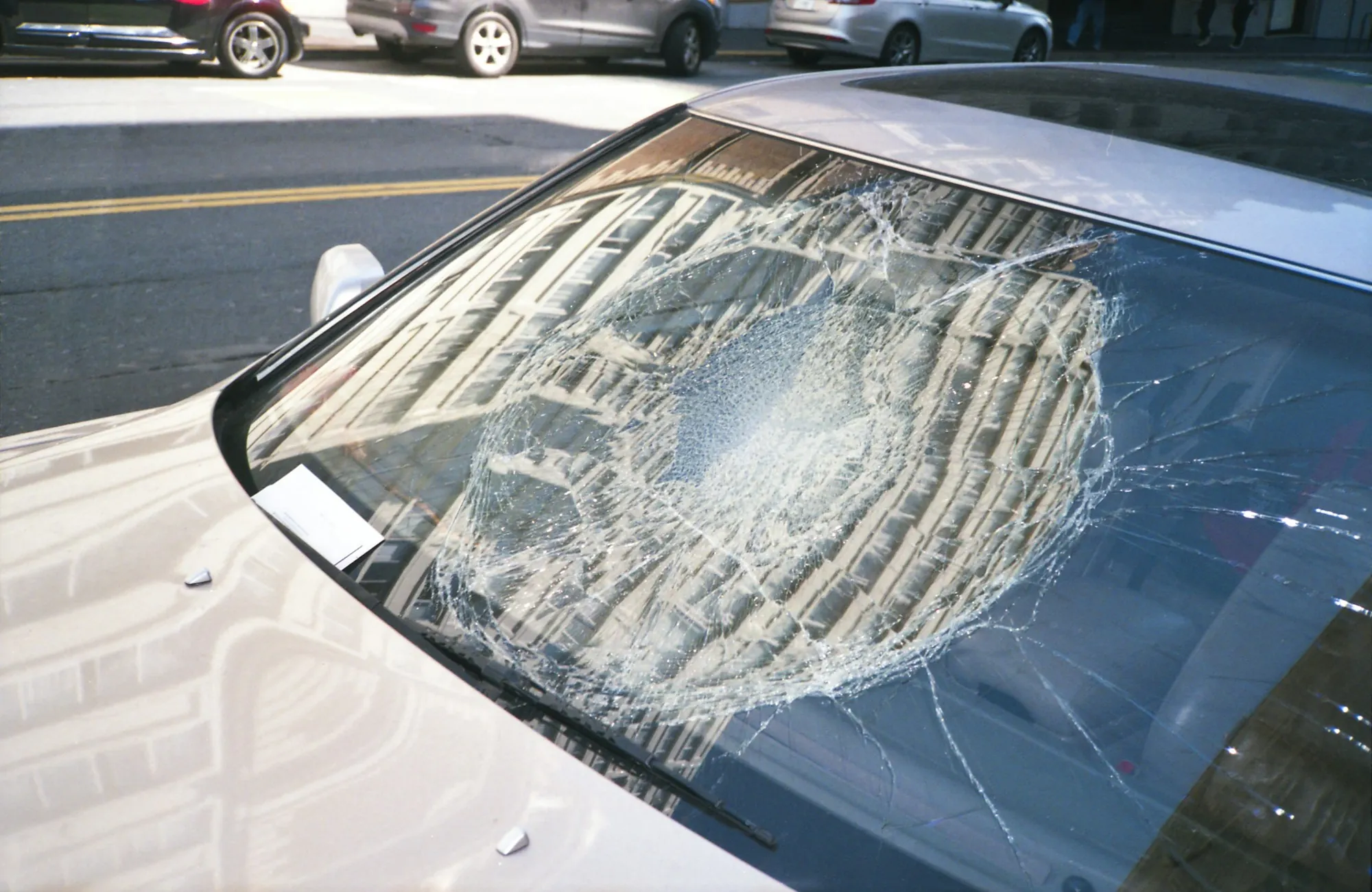
Glass Done So You Forget About It
Your windshield is part of the body's strength: it braces the roof if the car ever rolls, gives the passenger airbag something to push against and carries the camera your lane-keep system relies on. When it's replaced, the bond has to be as strong as the original and the fit has to be just as clean. That means the correct glass for your exact model, a carefully prepped opening and a full bead of urethane that gets proper time to set. It also means moldings that sit flush, no water trails along the pillar after a rinse and no new whistle at speed on I-30. Around Rowlett, gravel trucks and road construction send plenty of rocks into windshields. Lake humidity is hard on a cheap seal, too. Done right, you stop thinking about the glass entirely.
Everything a Glass Replacement Should Include
Whether it's a windshield, a door window or the back glass, these steps decide how well it fits and how long it lasts.
Part chosen by build, not just model
Two windshields for the same model can differ in heated wiper zones, rain sensors, tint bands and camera mounts. Your VIN and options tell us which one fits.
Old urethane trimmed back cleanly
The old bead is cut down to an even layer rather than scraped to bare metal, which protects the paint and the factory primer underneath.
Bare scratches sealed before setting
Any nick in the opening gets primed before new glass goes in, so humidity can't start rust under the seal.
One continuous bead of urethane
Fresh urethane goes down in a single unbroken bead at the right height, so the glass bonds all the way around with no gaps for water or wind.
Holding the car until the bond is ready
Urethane needs time to reach strength. We tell you plainly when the car is safe to drive and keep it until then.
Shattered door windows vacuumed out
A broken side window leaves glass in the door shell and carpet. We clear it out and check the regulator so the new window rolls smoothly.
Rear window heating restored
Back glass goes in with the defroster grid and antenna leads plugged back in, and both are tested before any trim is fastened.
Mirror-mounted camera set straight
If your windshield carries a forward camera, it's calibrated after install so lane-keep and automatic braking see the road correctly.
What Happens When New Glass Goes In
Pin down the part
We confirm the glass by your vehicle's build, noting every sensor, heater and bracket it needs to carry. If it's part of a collision repair, the glass is ordered with the rest of the parts. Unusual options can take a bit to arrive, and we'll tell you if that's the case.
Remove, prep and set
Trim and wipers come off, the cracked glass is sliced loose and the pinchweld is cleaned and primed. The new glass is set on a fresh bead of urethane and pressed evenly into place. Moldings go back on so they sit flush with the roof and pillars.
Cure, aim and hose test
The bond gets the set time the urethane calls for. Any forward camera is calibrated, and the car gets a hose test to confirm no water finds its way in. Then we take a short drive to listen for wind noise.
Why the Glass Fits Better Here
Glass and body judged together
We notice when a molding sits high or a pillar trim gaps, because we look at the whole car and not just the glass.
No second trip for the camera
Aiming the camera happens here after install. You don't have to take the car somewhere else to finish the job.
One plan with the body work
If the glass broke in a wreck, it's handled alongside the panel and paint repairs so everything fits together at the end.
Crack Running Across Your Line of Sight?
A small chip can spread with the next cold front or a pothole on Rowlett Road. Have it looked at soon, and we'll tell you whether it needs new glass.
Get the glass looked at — (000) 000-0000