
The Repair Starts With the Ride Here
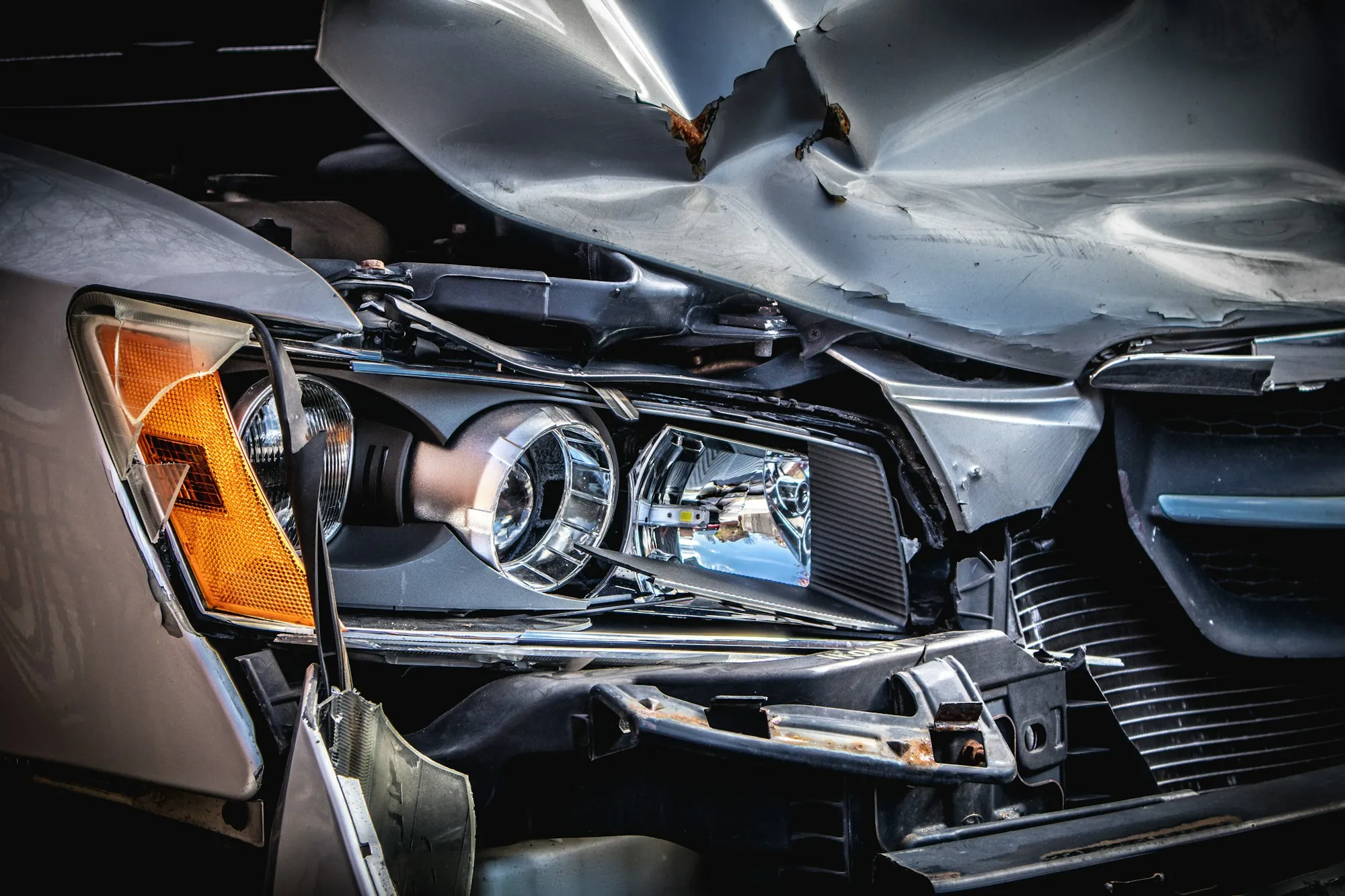
After a wreck, the car usually goes wherever the first tow truck takes it, and that's often a storage yard with a daily fee. Every day it sits there adds to the bill and pushes the repair further out. We can arrange a flatbed to bring it straight to our bay instead, from the crash site or from a yard in Garland or Rockwall where it already landed. Hauling it flat matters more than most people realize. Dragging a car with a crushed front end or a broken suspension arm can tear a bumper further, scrape the undercarriage or twist a panel that was salvageable. We want the car arriving in the same shape it was in when the crash ended, so the repair plan is built on the real damage. Wrecks along the PGBT and I-30 are common enough that we know which yards they tend to land in.
How the Shop Handles the Tow
Here's what we take care of, so you're not juggling a tow company, a storage yard and an insurer on your own.
Wheels off the pavement the whole way
We ask for a flatbed for damaged cars so nothing drags, twists or scrapes on the trip here.
Calls to the yard on your behalf
If police had the car towed, we help figure out which yard has it and what they'll need to let it go.
What the yard will ask you for
Yards usually want proof of ownership, ID and sometimes an insurer's authorization. We tell you exactly what to have ready.
Tow benefits in your policy, explained
Many policies include towing coverage. We help you read yours so you know what applies before anything is arranged.
Adjuster kept in the loop
We let your carrier know the car's new location, so the adjuster can inspect it here instead of at a distant lot.
Walkaround pictures as it unloads
The car is photographed as it rolls off the flatbed, giving a clear record of its condition on arrival.
Belongings bagged and labeled
Anything left inside the car is collected, bagged and kept safe until you can come grab it.
Estimate work starts on the spot
Arriving by flatbed means the inspection starts right after unloading, with no separate drop-off to arrange.
Getting a Wrecked Car Into Our Hands
Point us to the car
Tell us where the car is, what happened and who your insurer is. If it's in a yard, the name on the tow receipt is enough to start. We'll explain what paperwork the yard will want from you.
Flatbed booked, release handled
We arrange the flatbed and coordinate the release with the yard. If your policy covers towing, we let your carrier know. You hear from us once the car is on its way.
Unload, record, begin
When the car arrives, it's photographed from every side and parked inside. We start the inspection right away and call you with what we see. From there, the repair plan and the claim move forward together.
What You Gain When We Handle the Tow
Fewer days sitting in storage
Moving the car out of a storage yard promptly keeps the daily charges from stacking up. We push for a quick release.
Less damage in transit
A flatbed keeps a hurt car from getting hurt more. That protects the parts that can still be saved, and the final look of the repair.
One phone number for all of it
A storage lot, a driver and an adjuster all need talking to, and we do that part for you. We sort out the rest.
Wondering Where Your Car Ended Up?
Every day in a storage yard adds cost and delay. Ring us with what you know, and we'll get the car moving toward the repair.
Get the car brought in — (000) 000-0000